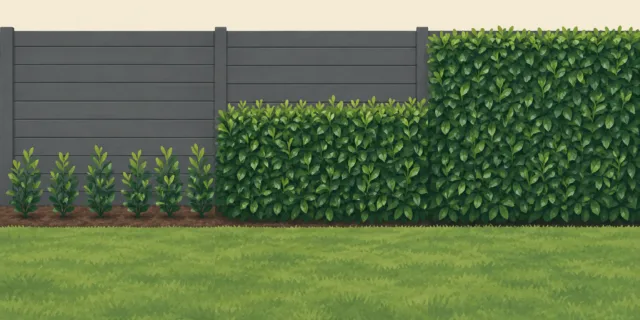
Cornus sanguinea
Common dogwood (Cornus sanguinea) is a shrub. Light: full sun, part shade. Hardy down to -29 °C. Drought tolerance: medium.

Common dogwood is a tough native shrub of woodland edges: its white flower heads feed insects in early summer, the black berries feed birds, the leaves turn purple-red in autumn and the young twigs glow red in winter. It suits mixed, informal hedges and wildlife gardens, while the coloured-stem cultivars (such as the orange 'Midwinter Fire' or 'Anny's Winter Orange') light up a winter garden if you cut them to the base every two or three years. It suckers strongly and spreads into a thicket, so keep it out of small beds and pull the suckers regularly.
| Group | Shrub |
| Light | Full sun, Part shade |
| Size after 10 years | 3 m × 2.5 m |
| Ultimate size | 2.5–4.5 m × 2–4.5 m |
| Hardiness | down to -29 °C (USDA 4, RHS H7) |
| Soil | Average garden soil, Clay, Sandy, Calcareous |
| Foliage | Deciduous |
| Flowering | May–June, white |
| Water need | Medium |
| Drought tolerance | Medium |
| Maintenance | Medium |
| Root aggressiveness | Low |
| Suckering | yes |
| Spreading | High |
| Distance from buildings | at least 3.5 m |
| Distance from paving | at least 0.5 m |
| Litter | not typical |
| Planting distance | 150 cm |
| For dogs | no data |
| For cats | no data |
| For children | Mildly toxic (uncertain) |
| Typical price | no data |
Toxicity data is for information only. If your pet or child has eaten a plant, contact a vet or a doctor.
Data updated: October 26, 2026 · How our data is made
Besides the cookies the site needs to work, we would like to use analytics and advertising cookies (Google, Facebook), if you allow it. Details