Garden planning guides from our plant database: what to plant where, how many plants you need and what it costs, for Central European gardens.
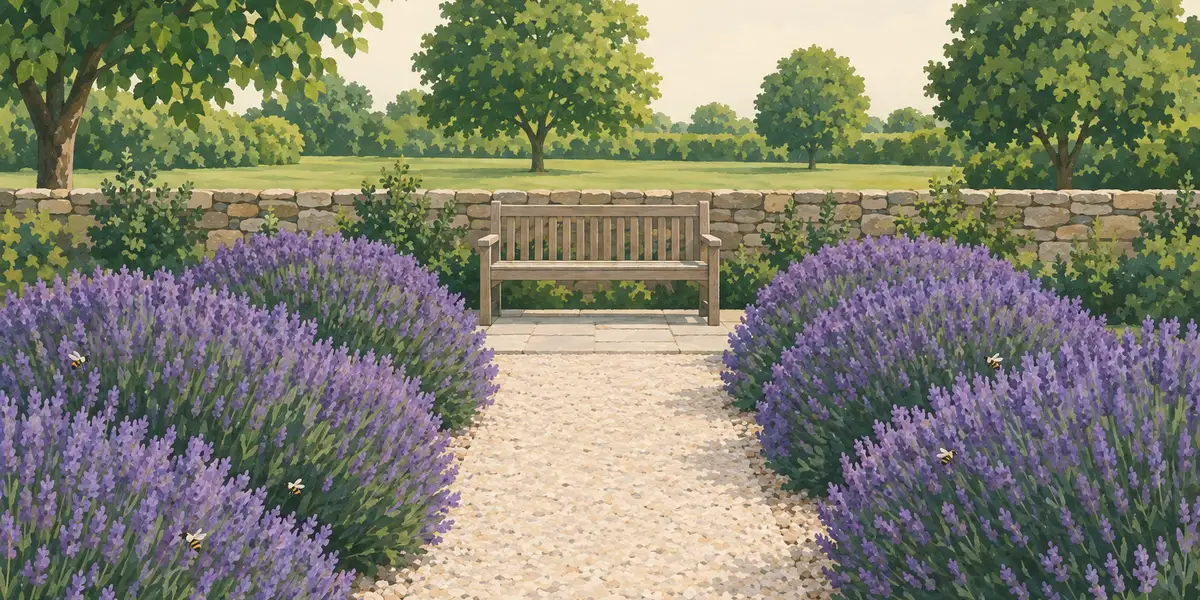
Lavender wants a sunny spot and loose, free-draining soil, and likes limy soil too; plant it in spring, in April or May, 30-45 cm apart for a hedge. Prune it twice a year: in spring, in late March or April once hard frosts are over, cut the shoots back by about two thirds, but always only into green, leafy growth; after flowering, in late July or August, take off the faded flower stalks with the top 2-3 centimetres of leaves, shaping a dome. Never cut into the bare, woody part, as lavender does not regrow from it. English lavender and 'Hidcote' survive hard winters, lavandin is a little more tender, and French lavender takes only mild winters.
Updated: October 30, 2026
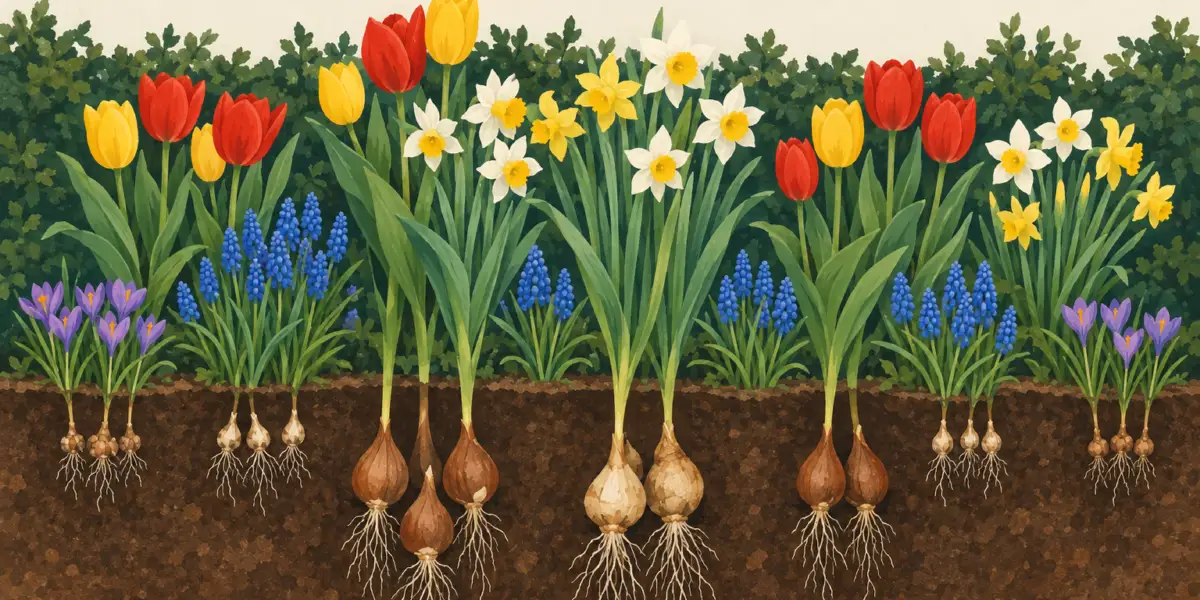
Spring-flowering bulbs go in in autumn: daffodils, crocuses and hyacinths from September to October, tulips from October to November, until the ground freezes. A bulb goes two to three times its own height deep (tulips and daffodils about 12-15 cm, crocuses 8-10 cm), tip up, at least twice its width from the next. Between perennials, 20 small, 8 medium and 4 large bulbs per square metre are enough. After flowering, leave their leaves on for six weeks.
Updated: October 28, 2026
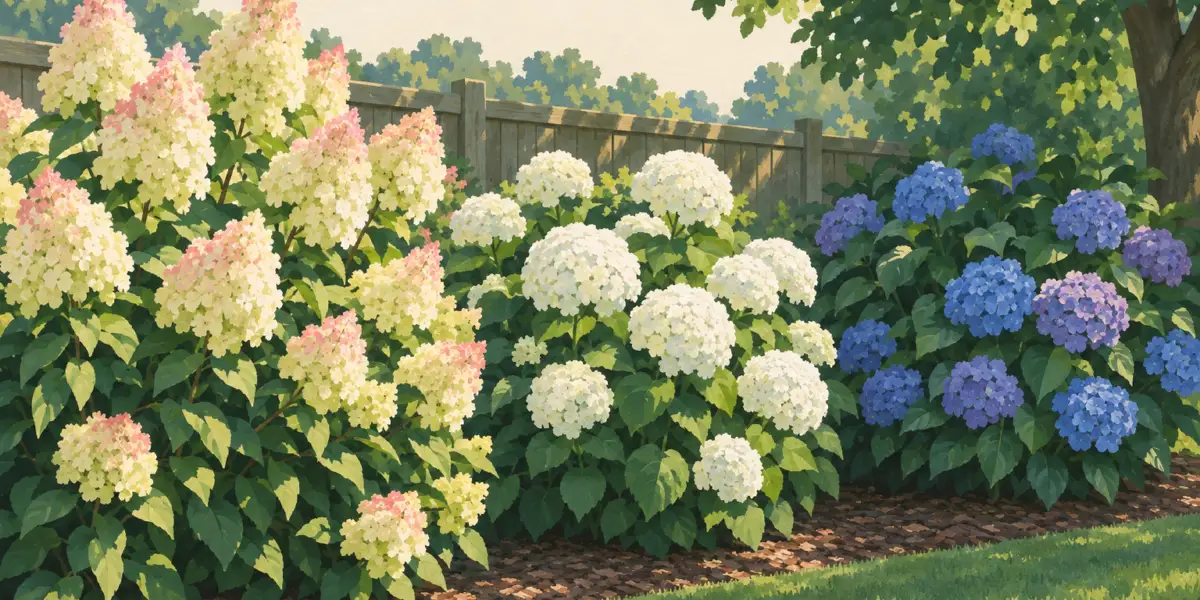
For pruning, hydrangeas fall into two groups. Panicle and smooth hydrangeas (such as 'Annabelle') flower on this year's shoots: cut them back to 25-60 cm in February or March. Bigleaf and mountain hydrangeas flower from buds that grew last year: in spring take off only the faded flowers, or they will not flower that year. Plant in autumn or spring, with plenty of water; for limy soil choose panicle or smooth hydrangea, as bigleaf hydrangea wants acid or neutral soil and afternoon shade.
Updated: October 26, 2026
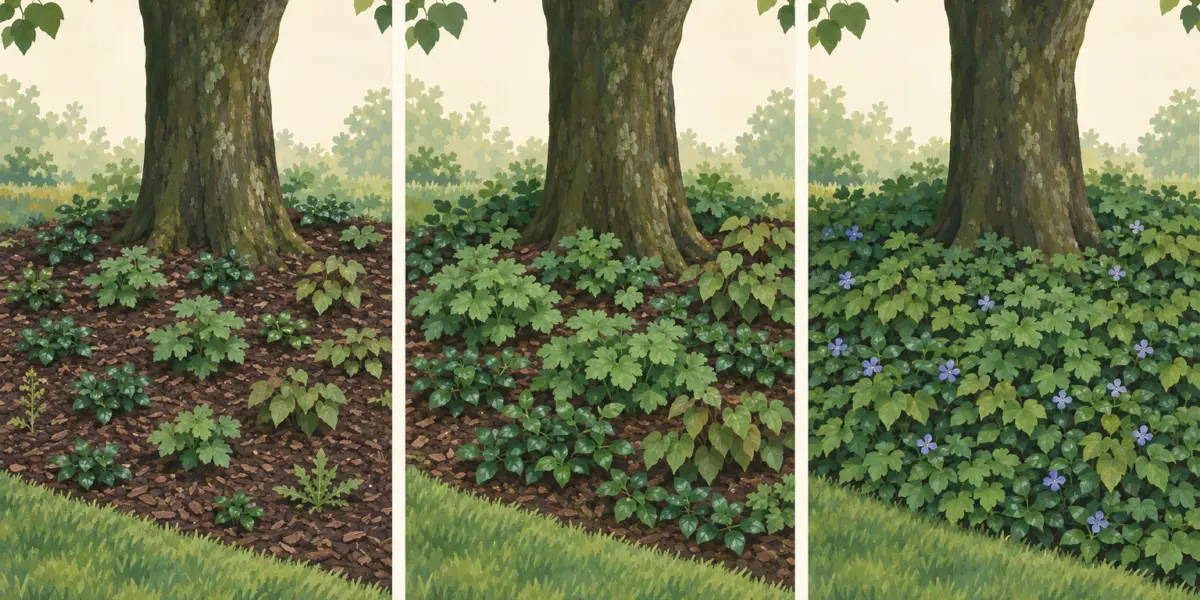
A ground cover keeps weeds out once it has closed up: until then, usually for two or three summers, it needs mulch and weeding. Under trees and in shade, lesser periwinkle, bigroot geranium, barrenwort and barren strawberry do best; in sunny, dry places stonecrops, thymes and creeping junipers. Most perennial ground covers take 9-18 plants per square metre. The tables work out what a square metre costs at today's shop prices in your country.
Updated: October 25, 2026
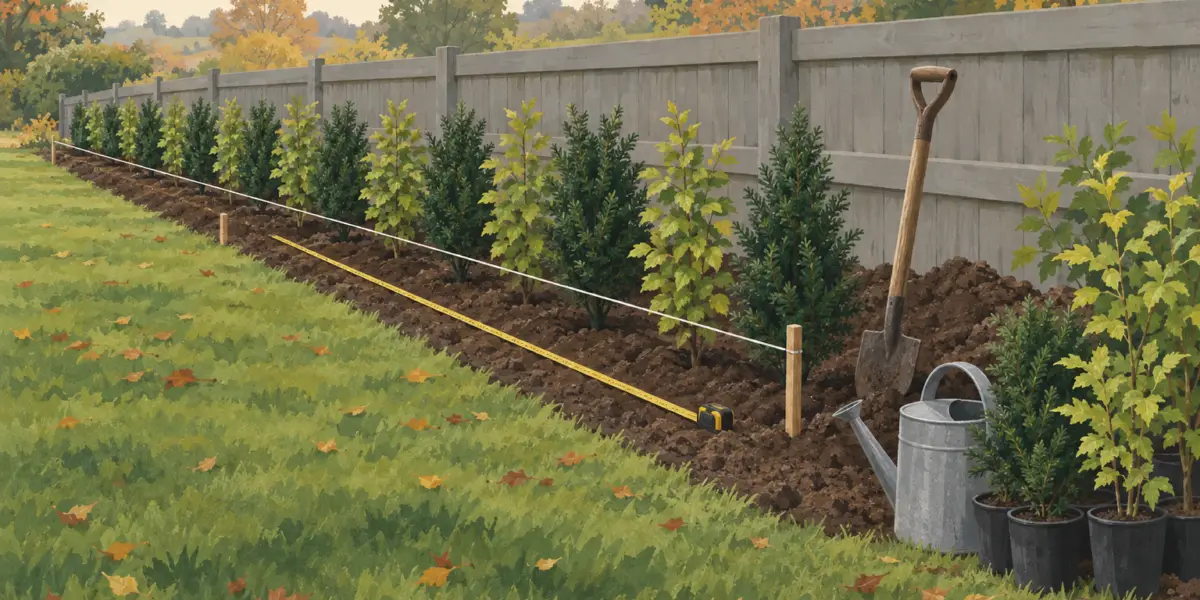
Most hedge plants go in at 2-4 plants per metre: Leyland cypress 2, cherry laurel and photinia 2.5 (40 cm apart), yew 3, hornbeam 3.5, privet and beech 4. The plants go in one row, 80 cm from the fence, in autumn or early spring. What the hedge costs depends most on the size of the plants: the table works it out at today's shop prices in your country, for the length of your own hedge.
Updated: October 25, 2026
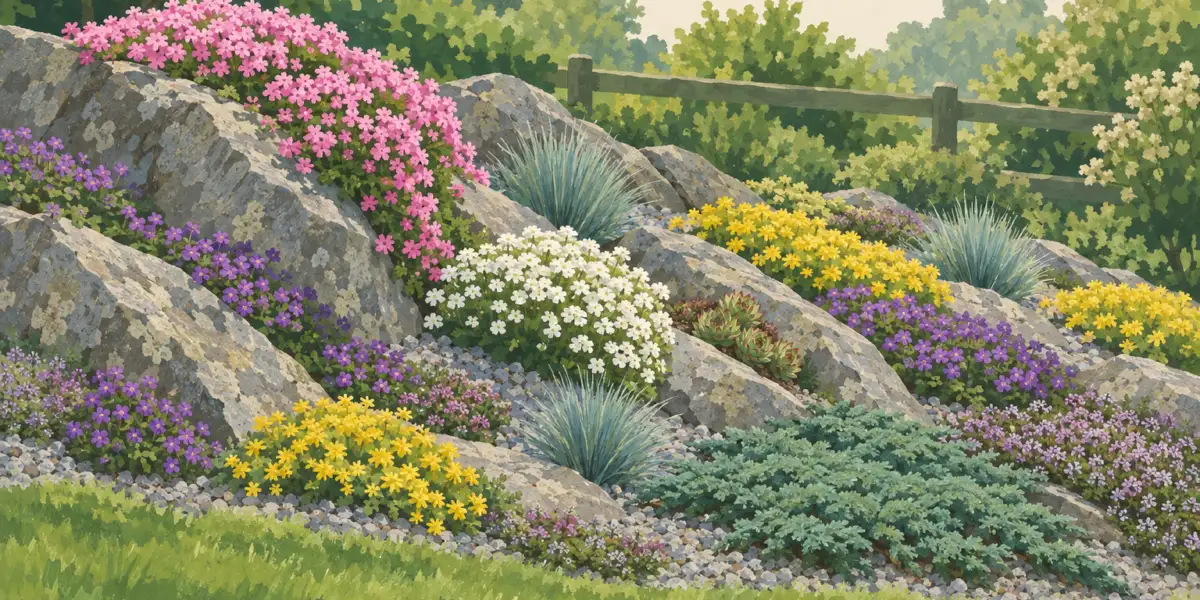
A rock garden belongs on a sunny, gentle slope, in lean, free-draining soil: one third garden soil, one third coarse sand, one third crushed stone. Lay the stones, all of one kind, in layers leaning the same way and sunk a third to a half into the ground, so that about two fifths of the surface is stone. Four to six plants per square metre are enough: creeping junipers and grasses make the frame, and between them cushion perennials, stonecrops and thymes flower from March to October.
Updated: October 25, 2026
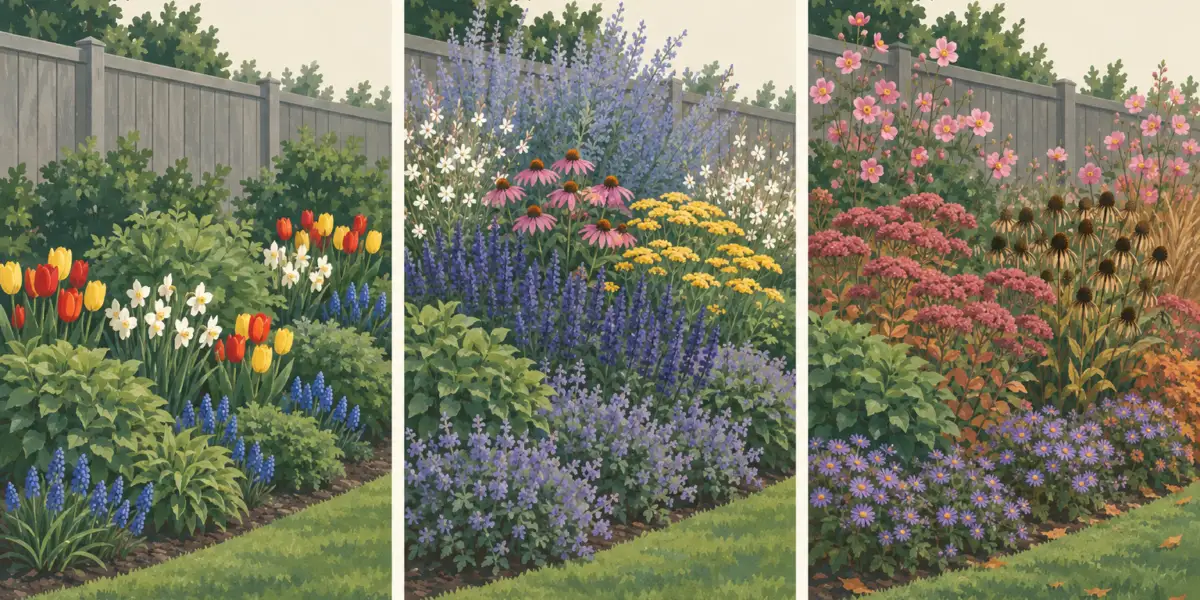
A perennial border flowers from spring to autumn when its backbone is long-flowering perennials that bloom from June to September (catmint, woodland sage, coneflower, yarrow, Russian sage, gaura), with bulbs around them for spring and Japanese anemone, sedum and asters for autumn. Plant in groups of 3-7, tall at the back, low at the front; on average you need 5-7 plants per square metre. The calendars show the hardy perennials for a sunny spot that shops in your country sell most widely, with the price per plant.
Updated: October 25, 2026
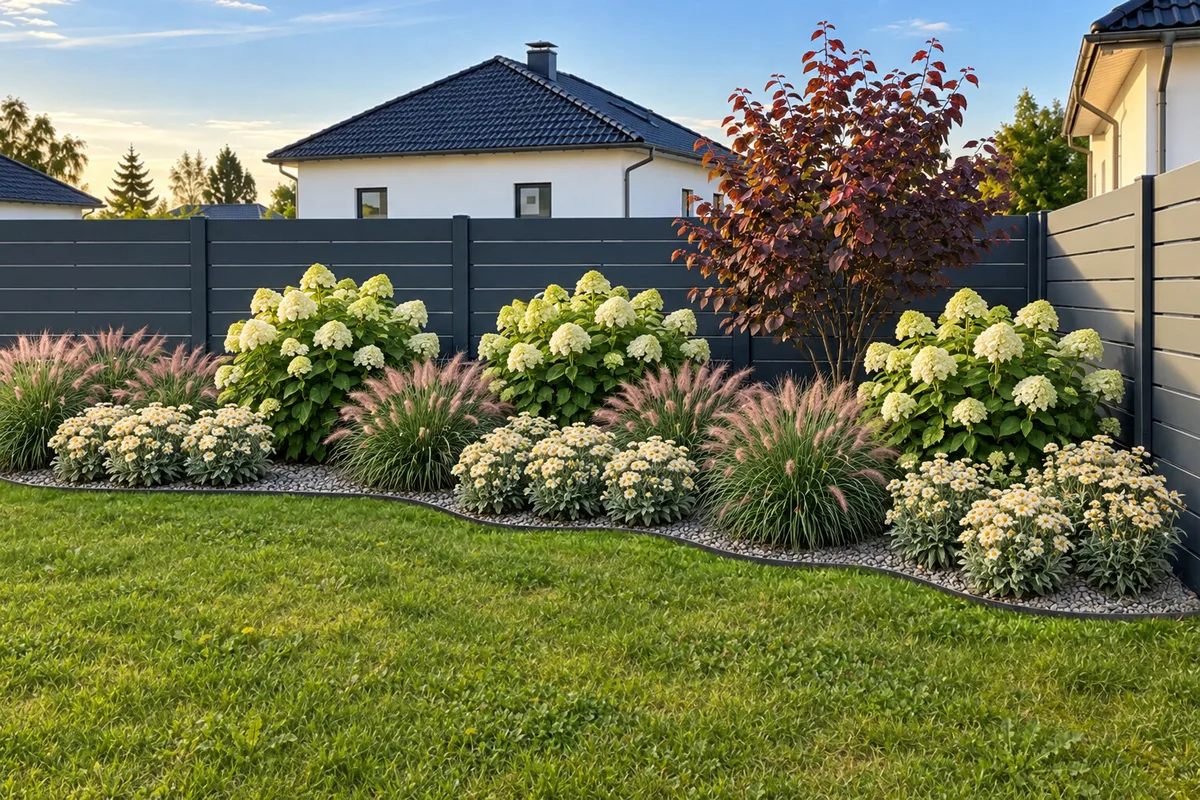
A garden is best planned in six steps: survey the site (light, soil, water, winter), decide what you will use it for, set the framework that still shows in winter, then lay out the border in layers, tall at the back and low at the front. Choose plants so that something flowers from spring to autumn, and finally work out the number of plants and the cost from the planting distances. Our garden planner works by the same rules.
Updated: October 25, 2026
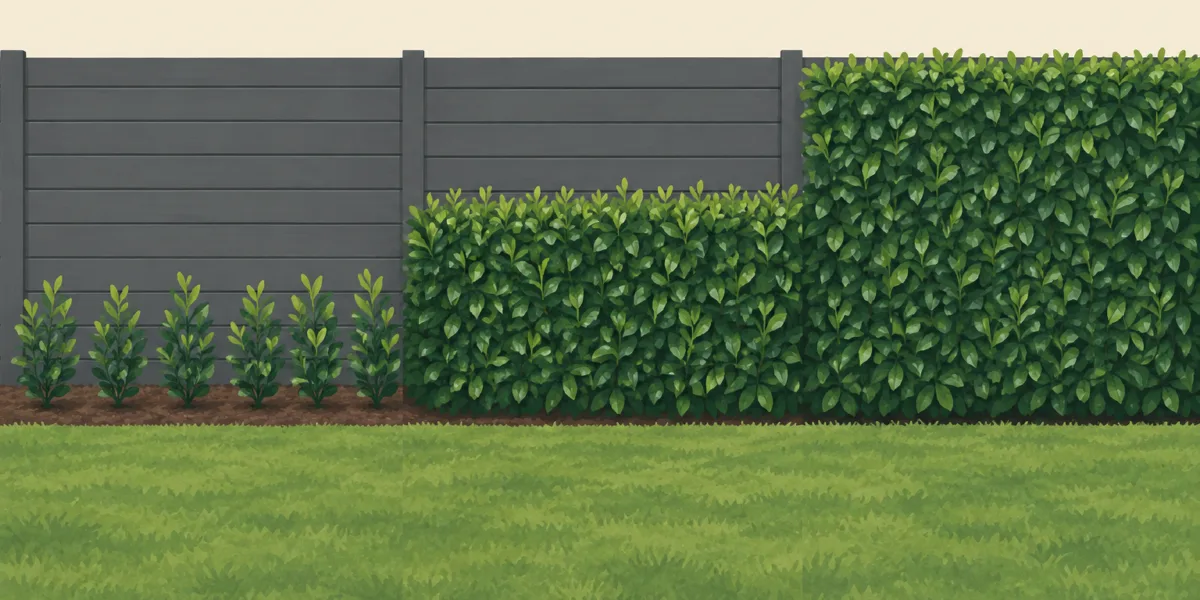
The fastest hedge plant is the Leyland cypress, growing about 90 cm a year, followed by cherry laurel 'Novita', firethorn and western red cedar at about 50 cm a year, then privet at 40 cm. How long a 180 cm hedge takes to screen depends more on the size of plant you buy: several years from small plants, one or two summers from large ones, but at many times the price per metre. The tables use the current shop prices in your country.
Updated: October 25, 2026
Besides the cookies the site needs to work, we would like to use analytics and advertising cookies (Google, Facebook), if you allow it. Details